Hot water is something you don’t think about—until it’s gone. Whether it’s a cold shower in the morning or a dishwasher that won’t clean properly, a failing water heater can quickly disrupt your daily routine.
But how do you know when it’s time to replace your water heater instead of repairing it? Understanding the signs can help you avoid sudden breakdowns, costly damage, and unnecessary stress.
1. Your Water Heater Is Getting Old
Age is one of the biggest factors.
- Traditional tank water heaters: typically last 8–12 years
- Tankless water heaters: can last 15–20 years with proper maintenance
If your unit is approaching or beyond this range, replacement is often more practical than repair—especially if problems are starting to appear.
2. Inconsistent or No Hot Water
If your hot water runs out quickly, fluctuates in temperature, or disappears altogether, your system may be struggling.
Common causes include:
- Sediment buildup inside the tank
- Failing heating elements
- Worn-out internal components
If these issues persist even after maintenance, replacement may be the best option.
3. Rusty or Discolored Water
When you notice brown or rusty water coming from your hot taps, it could indicate corrosion inside the tank.
This is a serious warning sign because:
- Rust weakens the tank structure
- It can eventually lead to leaks or tank failure
Once internal rust begins, it’s usually not reversible—replacement is the safer choice.
4. Strange Noises from the Tank
Hearing rumbling, popping, or banging sounds?
These noises are often caused by hardened sediment at the bottom of the tank. As the heater works harder to heat water, it can:
- Reduce efficiency
- Increase energy bills
- Cause internal damage over time
If flushing the tank doesn’t fix the issue, it may be time for a new unit.
5. Leaks Around the Water Heater
Water pooling around your heater is a red flag.
Small leaks can come from:
- Loose connections or valves
But if the tank itself is leaking, it usually means internal failure—and that cannot be repaired.
In this case, replacement is urgent to prevent water damage.
6. Rising Energy Bills
An aging or inefficient water heater often consumes more energy to do the same job.
Signs include:
- Higher utility bills without increased usage
- Longer heating times
- Reduced overall efficiency
Upgrading to a newer, energy-efficient model can lower your monthly costs.
7. Frequent Repairs
If you’re calling a plumber repeatedly, those repair costs add up quickly.
Instead of fixing the same unit over and over, replacing it can:
- Save money in the long run
- Provide reliable performance
- Eliminate recurring issues
A good rule: if repair costs approach half the price of a new unit, replacement makes more sense.
8. You Want Better Performance or Efficiency
Sometimes, replacement isn’t about failure—it’s about improvement.
Newer water heaters offer:
- Faster heating
- Better energy efficiency
- More consistent temperature control
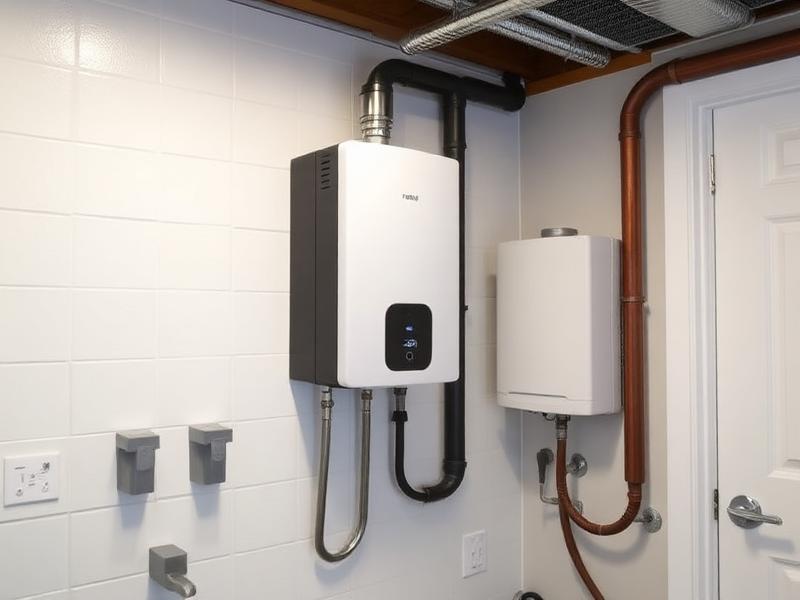
You might also consider switching to a tankless system for on-demand hot water and long-term savings.
Conclusion
Your water heater won’t last forever, but it usually gives clear warning signs before it fails. Paying attention to age, performance issues, leaks, and rising costs can help you decide when it’s time to replace it.
Instead of waiting for a complete breakdown, planning ahead ensures you always have reliable hot water when you need it.
A timely replacement isn’t just about comfort—it’s about protecting your home, saving money, and avoiding unexpected emergencies.