Clogged drains are one of the most common—and frustrating—plumbing issues homeowners face. A slow-draining sink or a backed-up shower might seem minor at first, but left untreated, it can turn into a messy and costly problem.
The good news? Most drain clogs are preventable with a few simple habits and regular maintenance. Here’s how you can keep your drains flowing smoothly and avoid unnecessary headaches.
1. Be Mindful of What Goes Down the Drain
The easiest way to prevent clogs is to control what enters your plumbing system.
In the kitchen, avoid putting:
- Grease, oil, and fat
- Food scraps (especially rice, pasta, and coffee grounds)
- Eggshells and fibrous vegetables
In the bathroom, avoid:
- Hair
- Soap residue buildup
- Hygiene products (wipes, cotton pads, etc.)
Even items labeled “flushable” can cause blockages over time.
2. Use Drain Covers and Strainers
A simple but highly effective solution is installing drain covers.
These inexpensive tools:
- Catch hair and debris before they enter the pipes
- Reduce buildup inside the drain
- Are easy to clean and maintain
Using strainers in sinks and showers can significantly reduce the risk of clogs.
3. Dispose of Grease Properly
Grease is one of the biggest enemies of your plumbing system.
When poured down the drain, it may seem harmless as a liquid—but it quickly cools and solidifies inside pipes, trapping other debris and creating stubborn blockages.
Better options:
- Pour grease into a container and throw it in the trash
- Wipe greasy pans with paper towels before washing
4. Run Hot Water Regularly
Hot water helps break down soap, grease, and residue before they build up.
After using sinks (especially in the kitchen), run hot water for 20–30 seconds to help flush the pipes.
This simple habit can make a noticeable difference over time.
5. Clean Drains Naturally
Regular cleaning can prevent buildup before it becomes a clog.
A simple natural method:
- Pour hot water down the drain
- Add baking soda
- Follow with vinegar
- Let it sit for 10–15 minutes
- Rinse with hot water
This helps dissolve minor buildup and keeps drains fresh without harsh chemicals.
6. Avoid Chemical Drain Cleaners
It might seem like a quick fix, but frequent use of chemical cleaners can damage your pipes over time.
These products:
- Can corrode pipes (especially older ones)
- May not fully remove the blockage
- Can create safety hazards
Use them sparingly—or avoid them altogether if possible.
7. Maintain Your Garbage Disposal
If you have a garbage disposal, proper use is essential.
Best practices:
- Run cold water while using it
- Avoid overloading it
- Don’t grind hard or fibrous materials
Regular cleaning and careful use can extend its lifespan and prevent clogs.
8. Flush Your Drains Periodically
Every couple of weeks, flush your drains with hot water to clear minor buildup.
For deeper maintenance, you can occasionally use a mild cleaning solution or enzymatic cleaner to keep pipes clear.
9. Watch for Early Warning Signs
Don’t ignore small issues—they often signal bigger problems ahead.
Look out for:
- Slow-draining water
- Gurgling sounds
- Unpleasant odors
- Frequent minor clogs
Addressing these early can prevent major blockages.
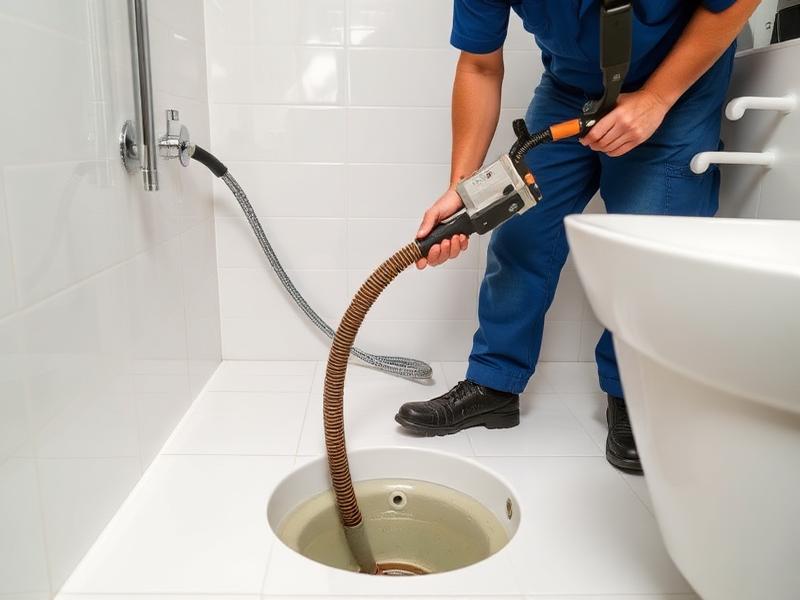
10. Schedule Professional Maintenance
Even with good habits, it’s a good idea to have your plumbing system checked periodically.
A professional plumber can:
- Inspect your pipes
- Clear buildup safely
- Identify potential issues early
Preventative maintenance is always cheaper than emergency repairs.
Conclusion
Preventing clogged drains isn’t complicated—it’s about consistency and awareness. By being mindful of what goes down your drains and maintaining your plumbing system regularly, you can avoid most common issues.
A little effort today can save you from messy, stressful, and expensive problems tomorrow. Keep your drains clean, and your home will run more smoothly every day.